

Wayfinding System for Obstetrics and Neonatology St. Luke’s International Hospital, Japan
Core Positioning: To create a warm navigation that eases medical anxiety for obstetrics and neonatology departments, conveying a healing sense of “caring for new life” through soft materials and lifestyle‑oriented design.
Design Statement
I. Design Concept
Centered on gentle healing medical navigation, the wayfinding system breaks away from the cold impression of traditional medical signage. It creates touchable, warm signs using soft materials such as cotton fabric and sponge. In the sensitive environment of obstetrics and neonatology, it delivers a sense of reassurance, relieves anxiety for mothers, families, and infants, and acts as a gentle companion in the space.


II. Core Design Features
1. Healing Tactility of Soft Materials
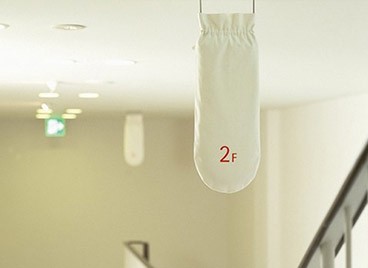
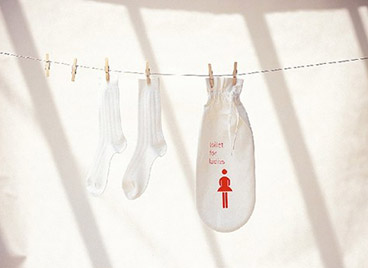
Core signage is made of sponge wrapped in cotton fabric: department signs (e.g., delivery room, neonatal room) are pillow‑shaped; floor identifiers (e.g., 2F, 4F) are designed like baby pouches. The soft, mild texture visually expresses “care” and aligns closely with the themes of birth and protection in obstetrics.
Text is screen‑printed in delicate red (e.g., delivery room 2, neonatal room), with soft, non‑dazzling coloring to avoid the oppressive feel of typical medical spaces.
2. Lifestyle‑Oriented Visual Narrative
Lifestyle elements related to mother and baby are integrated, including baby socks and pouches. Wayfinding is no longer cold instruction but warm spatial decor that resonates emotionally with mothers and families.
Hanging pouch‑style floor signs mimic baby clothing, deeply echoing the “newborn” atmosphere and conveying warmth and security.
3. Clear Information Hierarchy
Signs use number + Japanese + English bilingual labeling (e.g., 2 分娩室 delivery room 2), providing clear, friendly information for both international patients and local families.
Floor wayfinding (e.g., 4F) is hung in stairwells for high visibility and clear circulation. Department signs are wall‑mounted at ergonomically optimized heights and angles, accessible to wheelchair users and those holding infants.
4. Balance of Hygiene and Durability
Soft signs feature removable and washable cotton covers + sponge cores, enabling easy cleaning and replacement to meet strict hygiene standards and reduce infection risks.
Selected signs (e.g., floor pouches) use hanging installation to avoid wall drilling, minimizing renovation and complying with hospital operational regulations.
III. Functional Values
Emotional Comfort: Soft materials and lifestyle shapes effectively reduce anxiety, enhance comfort, and express patient‑centered humanistic care.
Navigation Efficiency: Clear bilingual labels and noticeable coloring allow quick orientation in complex medical areas, streamlining the visit process.
Brand Enhancement: The distinctive “soft wayfinding” style strengthens the hospital’s warm, professional identity and builds trust and memorability.
Sustainability: Washable fabric covers lower maintenance costs and reduce disposable material use, supporting environmental protection.


