
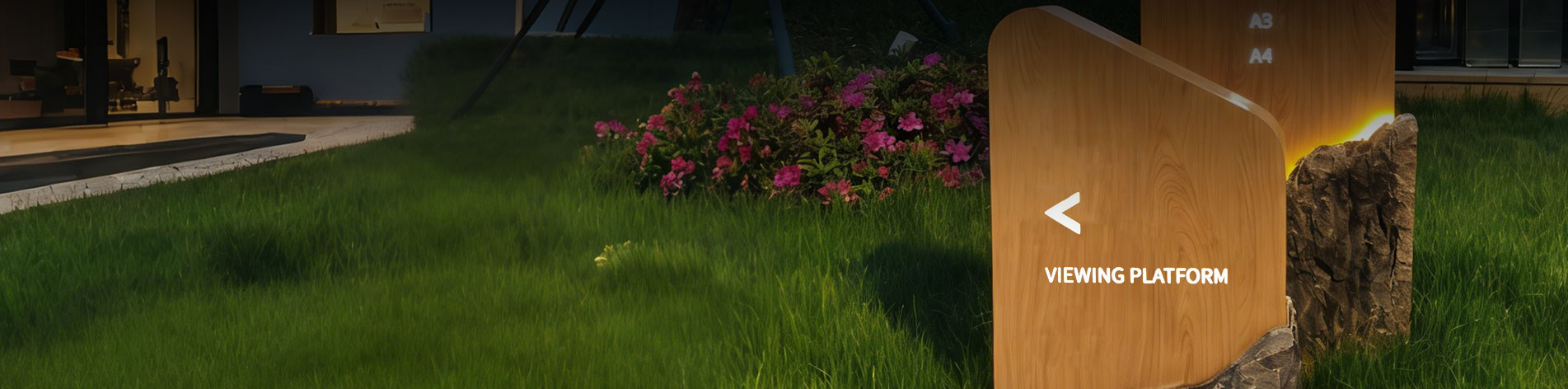
Current Signage and Wayfinding Industry News
At present, the signage and wayfinding industry has transcended its basic function of simply “giving directions.” By deeply integrating digital technology, human-centric design, and environmental aesthetics, it has become key to enhancing spatial experience and management efficiency. Below are the latest development trends and hotspots in the industry:
I. Intelligent Upgrades: Wayfinding Systems as the Gateway to “Spatial Intelligence”
Seamless Navigation and Digital Twins: Leading wayfinding projects are beginning to adopt digital twin technology, creating virtual 1:1 models of physical spaces online. Users can achieve seamless, cross-floor, reality-enhanced navigation from outdoors to indoors via mini-programs or apps, significantly improving wayfinding efficiency in large transportation hubs, hospitals, and smart campuses.

Data-Driven Dynamic Information Management: Integrating IoT sensors with digital signage allows wayfinding systems to update information in real-time. For example, hospital wayfinding systems can display real-time queue lengths; parking guidance signs can show available spaces; in emergencies, the system can automatically plan and display optimal evacuation routes.
Contactless Interaction and Personalized Recommendations: The pandemic accelerated the shift from touchscreens to contactless interaction methods. Users can access personalized routes via QR codes, Bluetooth beacons, or phone NFC. In commercial complexes, the system can also push store information and coupons based on user preferences, achieving the dual value of “guidance + marketing.”
II. Innovation in Design Philosophy: From Signage to “Environmental Graphics”
Enhanced Spatial Narrative and Brand Experience: Modern wayfinding design places greater emphasis on becoming part of the spatial story. Designers extract core elements of brand IP, local culture, or corporate spirit, transforming them into unique visual symbols applied throughout the wayfinding system. This makes the system itself an important medium for reinforcing brand recognition and cultural communication.

Inclusive Design Becomes Standard: Compliance with accessibility standards is no longer a bonus but a mandatory requirement. Beyond Braille and audio prompts, more projects are considering color contrast for the color-blind, sightline heights for wheelchair users, and more graphical information presentation for individuals with cognitive impairments.
Minimalism and Integrated Design: To maintain the purity and aesthetics of architectural space, the concept of “de-signage” is emerging. By cleverly integrating wayfinding information into walls, floors, or architectural elements, or using illuminated signs instead of large freestanding signs, a balance between function and aesthetics is achieved.
III. Materials and Sustainability: Green, Durable, and Easy to Maintain
Wide Application of Eco-Friendly Materials: The industry’s pursuit of sustainability is reflected in material choices. Recycled aluminum, bamboo fiberboard, low-VOC paints, and other eco-friendly materials are becoming the preferred options. Modular design also facilitates partial replacement and repair, extending the system’s lifecycle and reducing waste.
Long-Term Weather Resistance and Ease of Maintenance: For outdoor wayfinding, the weather resistance and anti-graffiti properties of materials are highly valued. Easily cleanable, scratch-resistant surface coatings, along with the standardization and ease of inspection for internal lighting and power supplies, have become key acceptance criteria for projects, aiming to reduce long-term maintenance costs.
IV. Emerging Application Scenarios and Market Hotspots
Urban Renewal Projects: The renovation of old streets and public squares creates significant demand for wayfinding systems, emphasizing the implantation of modern, clear wayfinding functions while preserving historical character.
Healthcare Sector: Wayfinding system design for large hospitals and wellness centers is becoming more complex, requiring full consideration of patient comfort (especially for the elderly and those with mobility issues) and ease of navigation.
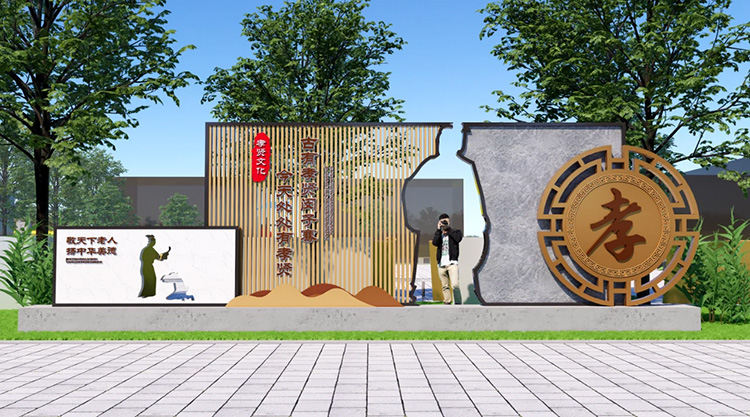
New Industrial Parks and Tech Innovation Hubs: These spaces focus on a technological feel and human-centric care. Their wayfinding systems often need to integrate with smart campus management platforms and reflect a culture of innovation and collaboration.
Summary:
The future of signage and wayfinding systems will not be isolated information boards. Instead, they will be comprehensive spatial solutions that deeply integrate digital technology, human-centric design thinking, and environmental aesthetics. When choosing a partner, its ability to integrate technology and design, its commitment to sustainable development practices, and its deep understanding of specific spaces (such as campuses, hospitals, commercial districts) will be key considerations.


