
The Development Status of Hospital Wayfinding Signage Systems
Currently, the development of hospital wayfinding and signage systems is at a critical stage of profound transition from ”standardization” to “smartization” and “humanization”. Its development status can be deeply analyzed from the following dimensions:
I. Development Drivers: Why are Hospitals Placing Increasing Importance on Wayfinding Systems?
Patient Experience First: Against the backdrop of increasing competition in the healthcare market, the “patient-centered” concept is deeply rooted. A clear and user-friendly wayfinding system can greatly alleviate the “wayfinding pressure” experienced by patients and their families in an unfamiliar and anxious environment, thereby enhancing satisfaction with medical services.
Hospital Operational Efficiency: An efficient wayfinding system reduces aimless patient movement and repetitive inquiries, shortens the time to reach target departments, indirectly improves healthcare workers’ efficiency, and alleviates congestion during peak hours.
Safety Management and Emergency Needs: Especially during and post-pandemic, wayfinding systems need to undertake critical safety functions such as crowd management, zoning control, and emergency evacuation.
Hospital Brand Image Building: The wayfinding system acts as a “silent spokesperson” for the hospital’s culture, professionalism, and service quality. Excellent design conveys the hospital’s humanistic care and a professional, reliable brand image.
II. Current Situation and Challenges: Bottlenecks in Moving from “Having” to “Excelling”
Despite its recognized importance, wayfinding systems in many hospitals still face numerous challenges:
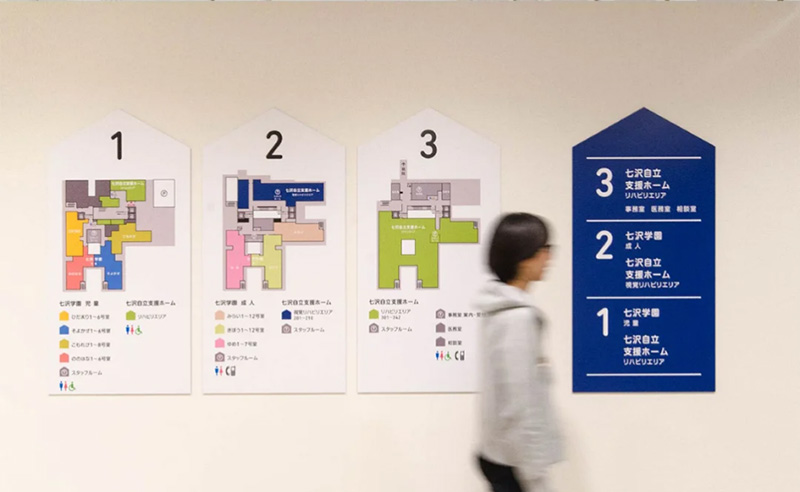
Information Overload and Hierarchical Confusion: An excessive number of signs with unreasonable layouts and unclear information hierarchy can drown out critical information, leading to situations where patients “see the signs but still cannot find the way.”
Disconnect from Architectural Space: Many systems are added as “patches” after the hospital is built, failing to be integrated into the early design phase considering architectural flow and functional zoning, resulting in disjointed guidance.
Lack of Humanistic Care: Designs can be cold, use overly professional terminology, and fail to fully consider the psychological and physiological needs of special groups such as the elderly, visually impaired individuals, and anxious family members.
Lagging Maintenance and Updates: Information such as department relocations or doctor changes often fails to be updated on signs promptly, causing misdirection.
III. Core Development Trends: Smartization, Humanization, and Integration
In response to the above challenges, leading hospital wayfinding systems are exhibiting three core development trends:
1. Smartization Upgrade: From “Static Guidance” to “Dynamic Interaction”
Comprehensive Navigation Solutions: Utilizing hospital mini-programs or apps integrated with seamless indoor-outdoor maps to achieve “one-click navigation” from home to the specific clinic, providing real-time, cross-floor optimal route planning.
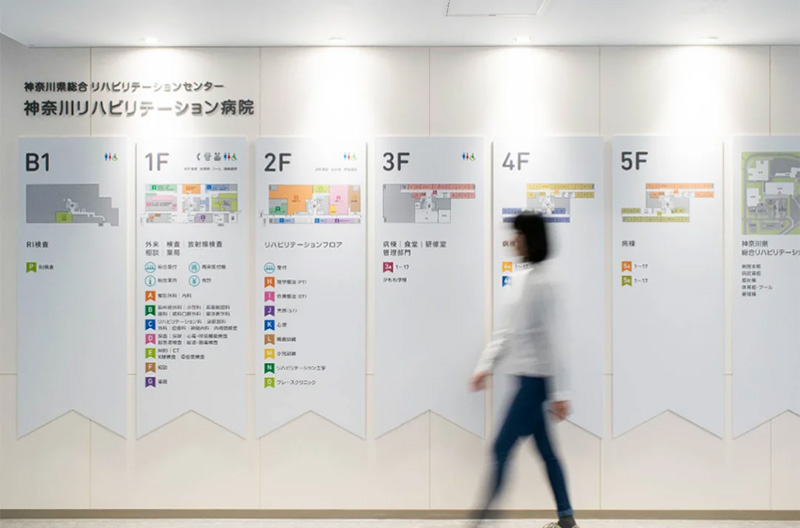
Data Integration and Dynamic Displays: Integrating the wayfinding system with the Hospital Information System (HIS) allows digital signs to display real-time information like queue lengths, changes in doctor availability, and report readiness status , enabling accurate and dynamic information updates.
Contactless Interaction and Personalized Push Notifications: Via QR codes, Bluetooth beacons, etc., patients’ phones can receive personalized route guidance. The system can also push health education content or appointment reminders in specific areas.
2. Humanized Design: Shifting from “Management Thinking” to “User Thinking”
Clear Information Hierarchy: Scientifically planning primary, secondary, and tertiary guidance levels, utilizing graphical and international icons to reduce reliance on text.
Inclusive and Barrier-Free Design: Strictly adhering to accessibility standards, comprehensively employing Braille, audio prompts, high-contrast colors, and appropriate installation heights for wheelchair users to care for every user.
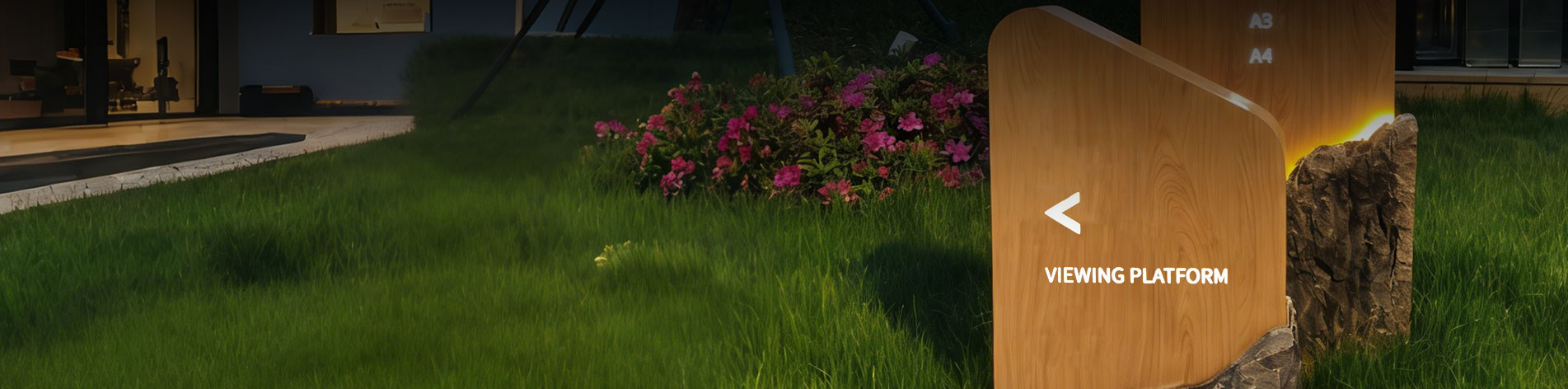
Emotional Design and Healing Environments: Using gentle colors, rounded shapes, friendly materials, incorporating artistic elements or natural themes to alleviate patient anxiety and contribute to creating a “healing environment.”
3. Integration and Modularization: Ensuring Long-Term Effectiveness and Cost-Efficiency
Integration with Architectural Design: For new construction or renovation projects, the wayfinding system should be involved as a critical component in the planning stage to ensure seamless integration with the architectural space and interior design.
Modular System Design: Adopting standardized connectors and panels makes updating content like department names and room numbers as easy as “changing a card,” significantly reducing long-term maintenance costs and time.

IV. Future Outlook
The future hospital wayfinding system will no longer be an isolated functional module. Instead, it will be an intelligent spatial service system deeply integrated with digital technology, environmental psychology, and service design. It will become a “living” ecosystem capable of sensing the environment, understanding needs, and responding dynamically. The ultimate goal is to achieve a smooth “no-need-to-ask-for-directions” experience, allowing patients to receive medical services more calmly and with greater dignity.
In summary, the development level of a hospital’s wayfinding and signage system is an important indicator of the hospital’s modernization and refined management. Investing in an advanced wayfinding system is not just a tool for improving efficiency but also a crucial strategic investment in practicing humanistic care and building a harmonious doctor-patient relationship.


